
From Red Lights to Red Tape
Settling in the country one of the first things to focus my mind was what to do with nearly 30 acres of woodland, pastures and a walled garden - after all in Soho every square metre is accounted for and used to maxim capacity.
I loved the idea of having some fierce-looking Highland cattle strutting around looking majestic and powerful until a local farmer advised me on vets bills, vaccinations, care of duty and how labour intensive keeping such beast could be.
They also create massive loads of poop and you have to have a plan to dispose of the slurry which would involve a tractor and all sorts of accessories including storage tanks and contractors to remove it in bulk. In fact water and slurry removal is just the start and while I can imagine this could have greenies and environmentalists salivating at the thought of producing biomass fuel etc. I'm no eco warrior, sorry.
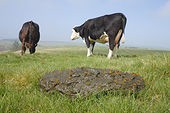
And the form-filling. You can't just buy a couple of cattle and throw bales of hay at regular intervals over the fence. Most farm animals have to be registered and accounted for so they can be traced from birth to the very last field they grazed before going off to the abattoir.
So the first thing I had to do was register my land with a Scottish Government agricultural department called the Rural Payments and Inspections Division - I thought heading to the countryside would mean an end to red-tape and form-filling but this is Britain and there's no escape. In fact there's so much red tape in the agricultural world it beggar's belief how horse meat has got into our food chain. It seems to me that every single sheep and lamb, cow, heifer, bull etc. has to be accounted for from the cradle to the grave, or from the byre to the griddle. But let's not dwell on the horse meat scandal - horses in the Scottish Borders (where I am based) are highly prized, loved and valued and just about every self respecting Border Reiver has at least one for the annual ride-outs ... one of the most booze-fuelled, anti-english festivals dating back to the 13th century.

In the end I decided keeping cattle would be too much bother and so went for what I believe to be the easy option sheep - easier to handle and just leave them to graze ... or so I thought.
Next instalment coming soon: Woolly anarchists
